Comprehensive Construction Services for Every Project
Comprehensive construction services are vital for the proper handling of any construction initiative. They facilitate seamless integration across all phases, guaranteeing clear communication and collaboration among units. This strategy not only reduces delays but also strengthens adherence to financial and scheduling requirements. As interested parties pursue superior results, understanding the different solutions available becomes increasingly important. What specific elements contribute to a project's achievement, and how can they be successfully executed?
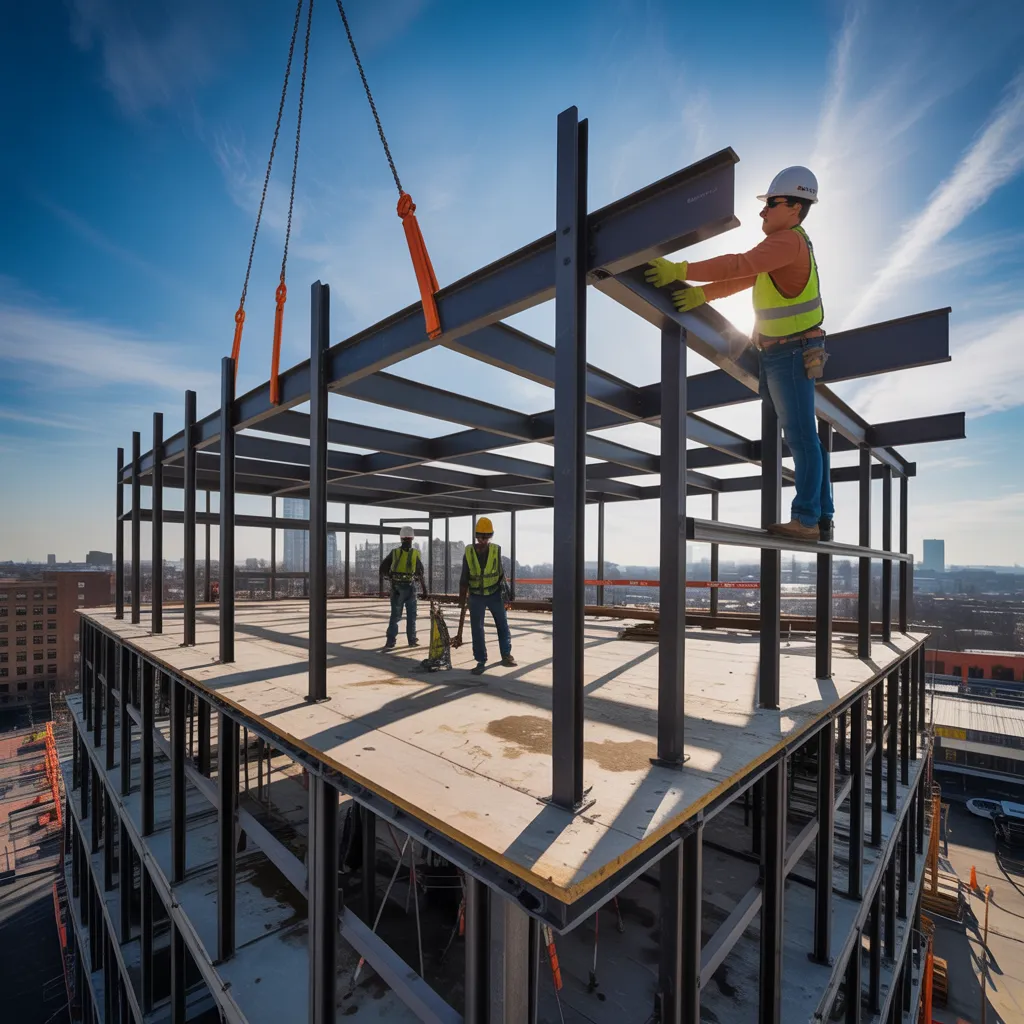
Why Comprehensive Construction Solutions Are Valuable
Complete construction services are essential because they optimize the building process, guaranteeing that all project phases are synchronized effectively. These services encompass a spectrum of operations, involving planning, conceptualization, and delivery, which advance the project achievement of your initiative. By orchestrating multiple stakeholders and materials, extensive construction services minimize the chance of errors and postponements.
Moreover, they promote compliance with timelines and budgets, addressing potential issues proactively. This level of organization creates a cooperative environment, allowing stakeholders to interact openly and efficiently.
Additionally, comprehensive services guarantee compliance with local regulations and safety standards, reducing risks connected with construction activities. Overall, the integration of detailed construction services improves project quality, leading in durable and sustainable outcomes. In an industry where precision matters, such services provide the necessary framework for achieving client satisfaction and meeting project goals.
Critical Construction Solutions for Homeowners
Property owners seeking to upgrade their living spaces can benefit greatly from vital construction services tailored to their particular requirements. These services encompass a range of offerings, such as remodeling, renovations, and repairs, which enable homeowners to convert outdated areas into modern, functional spaces. Kitchen and bathroom remodels often produce substantial investment returns, improving both aesthetics and utility.
Furthermore, exterior maintenance such as roofing and siding repairs ensure the property remains protected and aesthetically pleasing. Landscaping and patio improvements establish inviting settings for relaxation and entertaining.
Homeowners can benefit from eco-friendly improvements, which reduce utility costs while advancing sustainability. By partnering with skilled professionals, homeowners can navigate the complexities of construction projects with ease, confirming adherence to local regulations and timelines. Overall, these crucial solutions enable homeowners to achieve their visions, ultimately boosting property value and quality of life.
Important Services for Commercial Building
Throughout commercial construction, strategic project management and excellent procurement practices represent fundamental elements. These resources ensure that projects are completed on time and within budget while maintaining high standards. Grasping their significance can contribute to more successful construction outcomes.
Project Supervision Capability
During the navigation of commercial construction complexities, competent project management experience becomes necessary to assure on-time completion and fiscal responsibility. Seasoned project managers serve a key function in managing various aspects of a construction project, including scheduling, resource allocation, and information exchange with all parties involved. They deploy cutting-edge approaches to manage potential threats and adjust quickly to unexpected circumstances, keeping projects progressing steadily. Through utilizing technology and analytical insights, project managers can strengthen strategic choices, enhancing productivity and output. Additionally, their capacity to encourage cooperation among construction firms, architects, and clients is crucial for synchronizing visions and achieving project goals. In essence, excellent project management knowledge functions as the core of prosperous commercial construction operations, propelling projects from conception to final delivery with precision.
Quality Material Sourcing
Quality procurement of materials represents a vital aspect in the domain of commercial construction, directly impacting project durability and overall success. Effective material sourcing entails choosing superior materials that satisfy specific project requirements while maintaining budget constraints. This undertaking often requires developing strong relationships with dependable suppliers to ensure punctual arrival and consistency in quality. Furthermore, knowledge of local regulations and sustainable practices serves an essential function in sourcing decisions. By emphasizing quality materials, construction firms can strengthen structural integrity and minimize long-term maintenance costs. In the final analysis, an emphasis on quality material sourcing not only fulfills a project's immediate goals but also enhances its longevity and durability in a competitive market.
Finding the Ideal Construction Services for Your Project?
When choosing construction services, it is crucial to establish project specifications precisely to ensure compliance with objectives. Assessing the qualifications of potential service providers additionally improves the likelihood of a positive result. Thorough evaluation of these factors can result in a more efficient and effective building process.
Specify Project Requirements Unambiguously
Articulating project requirements clearly is paramount for picking the most appropriate construction services. This involves recognizing specific project targets, timelines, financial constraints, and required supplies. A well-defined statement of work helps confirm that every party comprehend shared understanding. In addition, providing information on regulatory standards or location considerations can avert potential delays and miscommunication in the construction phase. When establishing defined standards from the outset, project managers can relay their specific needs to prospective vendors, enabling wiser decision-making. In summary, comprehensive record-keeping of scope details makes selection more efficient and also establishes a strong foundation for successful project execution and limits the probability of costly revisions at a later time.
Review Service Provider Capabilities
How can project managers ensure they choose the most qualified building contractors? Assessing the qualifications of prospective service providers is critical. This process begins with examining each contractor's body of work, which showcases past projects and relevant background. Construction leaders should also confirm permits, credentials, and coverage to confirm compliance with industry standards. Collecting references and client testimonials can provide insights into a contractor's reliability and craftsmanship. Furthermore, performing interviews enables project managers to assess communication skills and understanding of assignment specifications. Comparing bids not only on cost but also on scope, schedules, and quality can additionally aid in decision-making. In the end, a comprehensive evaluation of service provider expertise lays the groundwork for effective project execution and fulfillment.
Optimizing Your Building Project Effectively
Achieving efficiency in construction projects requires adopting a systematic approach that decreases delays and optimizes resource allocation. Effective communication among team members is essential, making certain that everyone remains aligned with project goals and timelines. Utilizing project management software can improve workflows, permitting for real-time updates and task tracking.
Furthermore, adopting a phased approach allows teams to concentrate on specific project segments, minimizing the likelihood of duplicate efforts that can result in confusion. Consistent progress assessments and adjustments derived from performance metrics assist in detecting possible obstacles early.
Setting clear roles and accountabilities encourages accountability, motivating teams to meet deadlines without compromising quality. Furthermore, undertaking proactive risk management prepares teams for unpredictable challenges, facilitating swift responses that keep projects on track. By integrating these strategies, construction projects can achieve substantial efficiency, reducing costs and boosting overall outcomes.
Developing Your Construction Project to Be Sustainable and Excellent
Promoting green practices in building not only strengthens project quality but also reduces environmental consequences. By adopting eco-friendly materials and methods, building contractors can significantly lower waste and energy consumption. This approach not only meets legal compliance standards but also appeals to environmentally conscious clients.
Using renewable resources, such as bamboo or recycled metals, contributes to durability while lowering carbon footprints. Additionally, adopting energy-efficient technologies, like solar panels and advanced insulation, ensures sustained cost reductions and improved building performance.
Working with environmentally certified experts further elevates quality benchmarks, guaranteeing adherence with sustainability benchmarks.
Additionally, introducing a waste management plan during the construction timeline can streamline processes, reducing costs and environmental harm.
Ultimately, a commitment to environmental responsibility in construction creates high-quality projects that appeal to both stakeholders and the community, creating a legacy of responsible building practices. Such commitment not only improves the reputation of construction firms but also contributes to a healthier planet.
Regularly Asked Questions
What Are the Typical Timeframes for Construction Projects?
Typical schedules for construction projects vary widely, typically spanning from a few months to several years. Factors influencing project length include project size, intricacy, approval procedures, weather conditions, and resource availability, impacting overall completion time.
What's the Best Way to Address Unforeseen Construction Delays?
To address unexpected construction delays, one should evaluate the circumstances, engage with relevant parties, modify schedules, and investigate alternatives. Adaptability and forward-thinking strategies can mitigate impacts and maintain project momentum despite setbacks.
Which Permits Do You Require for Building Projects?
Construction endeavors necessitate various permits, involving building, electrical, water, and zoning permits. The particular specifications are contingent on area ordinances, project scope, and location, demanding coordination with municipal officials for regulatory adherence and expert direction.
How Is Budget Management Handled Throughout Construction?
Project budgeting is managed through regular monitoring of expenses, modifying forecasts based on real expenditures, and maintaining communication among stakeholders. This guarantees consistency with financial goals and prompt detection of potential overruns or savings.
What Safety Measures Are Put in Place on Building Sites?
Construction sites apply different protective measures, along with frequent safety sessions, use of protective attire, clear signage, site inspections, emergency discover the information protocols, and adherence to compliance rules to prevent harm and copyright the welfare of team members.